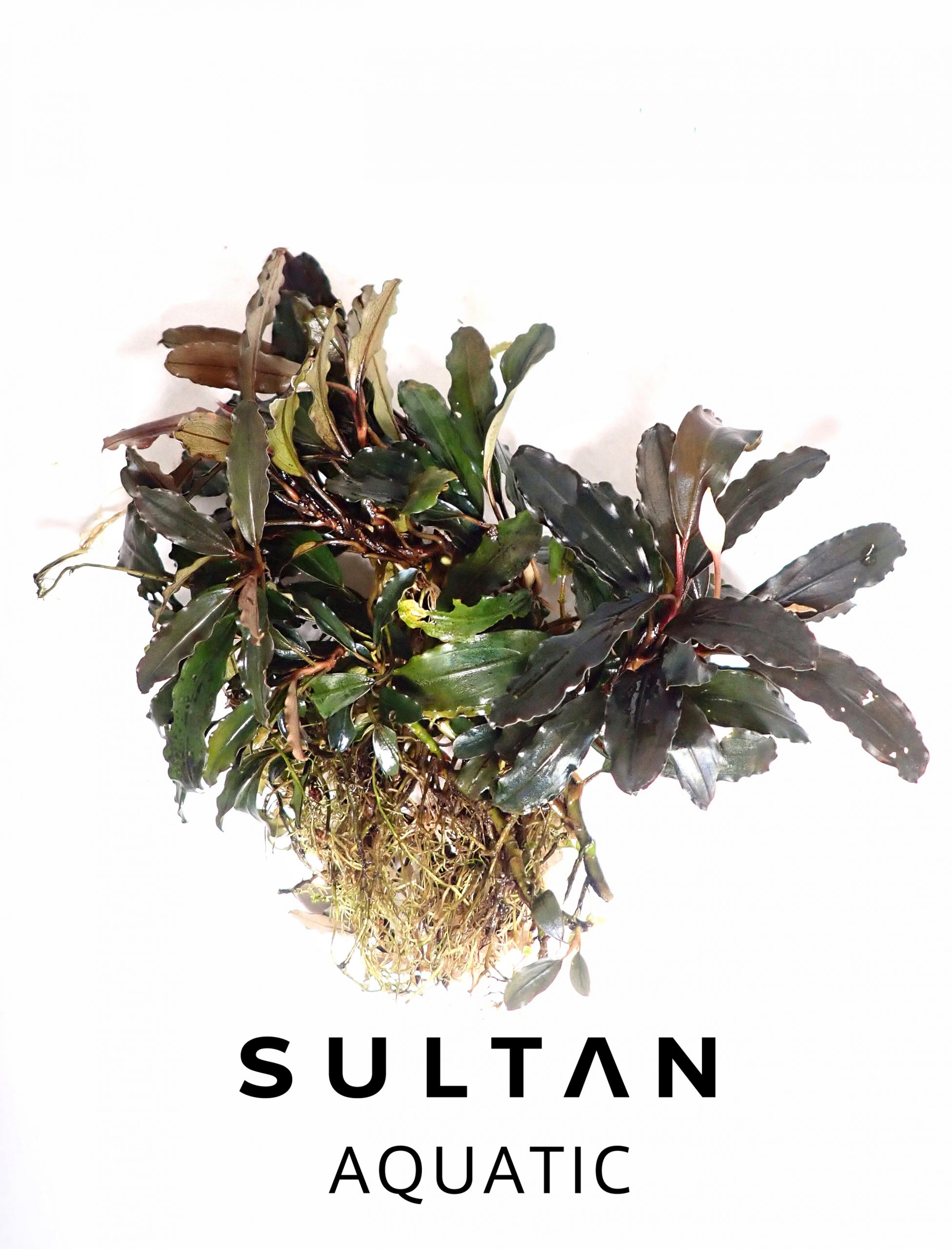
Bucephalandra plant of marine plants can be endless, and sometimes it can be difficult to tell them away from each other. Most people rarely put as much thought in choosing plants as they perform with seafood. Bucephalandra is a species that is vying to your attention. There are plenty of types, consequently there’s person to suit every person. They can be various colors, forms, and sizes. Though there are several types, they will all be maintained in a similar way, so that as a hardy species, they may be very easy to maintain.
Overview The word Bucephalandra signifies many unique, yet directly related, species. It is the name of a genus in the Araceae (or arum) family and is often shortened to Buce. You will discover about 35 species of Bucephalandra that have typically been present in Borneo (in Asia) wherever they are native to the island and can’t be found somewhere else in the world. Unfortunately, deforestation is certainly driving a lot of species out of our environment. Some can only be found in captivity currently. Each types is slightly different, they may have got minor differences in color or shape, however they can become cared for in the same manner because they will share precisely the same habitat desire. In the outdoors, it sorts mats above various areas in fresh water bodies like rivers and streams.
Within an aquarium, it truly is mostly used inside the foreground as most varieties are quite tiny. Though several grow high enough to get an interest in the background as well. Generally, these plants are easy to care for; newcomers will enjoy their very own hardy mother nature. Some species are more challenging than others though. Buce is a very well-known decorative plant so you will likely find a species on the market near to you. Your search being longer if you’re looking for a particular species. Check the health of plants ahead of you buy these people. The fading of color or harmed leaves generally indicate illness. Is Bucephalandra Hardy Bucephalandra is a sturdy genus.
They can be adapted meant for living in fast-moving currents, the industry strong force to handle, and so most plant life can’t manage it. This tolerates a large number of common aquarium conditions and may survive in the event these conditions change a little, so newcomers don’t be concerned if earning small mistakes. Benefits of Bucephalandra Aquatic plants offer a great deal to a freshwater aquarium. The most convenient example is they just look nice. Bucephalandra can come in different colors and shapes that may add interest to the bare spaces of your aquarium. You will likely begin to see the health of the tank boost after adding Buce. This releases breathable oxygen during the natural photosynthesis, which will break up into the water and oxygenate it. Vegetation also ingest pollutants that may otherwise build up in the water. This will keep your water cleaner for any aquarium mates, keeping them much healthier. Plants also are a way to obtain shelter for the family pets in your tank.
They are often employed when pets are burdened by light or boisterous tank pals. Small types of Buce is likely to make a brand name bottom-dwelling fish, but those higher plan enjoy the higher species. Visual aspect It is difficult to give a detailed description of Buce as a genus because every species appears a little different. Leaf form is usually the most characteristic feature of an marine plant. Buce leaves can be found in many types, such as oblong, long and thin, wavy, or a classic droplet shape. The leaves will feel waxy due to a cuticle that helps them regulate water. Colour of the leaves can vary also. They are usually renewable, but some own hues of blues, whites, or purples.
Some plant life are even various colored. Buce is certainly noted for having yellow places on their leaves, very much like that of Anubias species, although more obvious. The places are a result of photosynthesis. Just about all species reach 1-2 inches, but there are some that get as high as 15 inches. It truly is worth looking at which kinds you’re truly buying if you can. It can be very hard to tell which in turn species you have because they are inadequately tracked and labeled. There are over 2 hundred varying job names, hence even the pet store may well not know the reply. The sources of Bucephalandra are especially adapted for attaching to hard areas, as well as the essence. This helps to keep it secured in fast power. Habitat and Tank Conditions To be successful once caring for Buce, you must present their favorite conditions. This can be done by replicating their surrounding in your aquarium. Nearly all of the 30 Buce species will be endemic to Borneo, the third-largest isle in the world.
They are simply found in abundance here, experiencing the tropical climate. This kind of climate creates a humid environment with nice waters. Bucephalandra can be found in rivers and channels, or in the banks. That they prefer fast currents; they have adapted to living in fast-moving waters exactly where other types can’t. Often they grow fully immersed in the normal water, but strategy they grow outside. Borneo experiences periods with varying rainfall, consequently their normal water cover can differ throughout the year. Luckily the tastes of Buce are similar to lots of other plant life and animals in the fish tank industry, it is therefore easy to pattern a suitable reservoir.
Tank Circumstances Substrate choice is up to you because Bucephalandra provides particularly solid roots. A substrate is not even a requirement, it is very good at attaching to decorations inside the tank and growing from there. You will need a heater to recreate the tropical weather. Set that in the array of 71°F to 82°F. The pH can be slightly acidic or a little alkaline, coming from 6. 0 to 8. zero. Aim to employ hard normal water, at least 5 GH. Ideally, the filter wall socket will make a strong current. If certainly not, try using an air/water pump. Lighting requirements depend on what you wish. Low lighting will keep the growth rate low whereas extreme lights will speed this kind of up somewhat. Ensure the plants are situated somewhere with immediate access to light and normal water movement. Would not place them also close together to reduce competition.
Buce will be great without the addition of fertilizers or a supply of CO2, although they may affect colors and growth prices. You don’t need to replicate the running water amounts produced by Borneo’s changing periods, Bucephalandra will happily grow with frequent conditions.
reference:

Tidak ada komentar:
Posting Komentar